
An anti-inflammatory diet refers to a dietary approach that focuses on consuming foods that help reduce chronic inflammation in the body. Chronic inflammation is linked to a variety of health issues, including arthritis, heart disease, fibromyalgia, diabetes, and even some cancers. The goal of this diet is to help support the body’s natural ability to control inflammation by providing it with nutrients that combat oxidative stress and promote overall health.
Key Components of an Anti-Inflammatory Diet
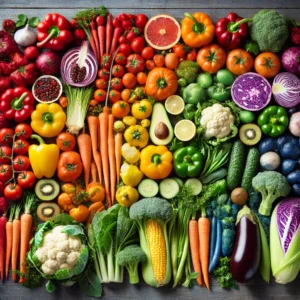
A rainbow diet of vegetables!
- Fruits and Vegetables
These are rich in antioxidants and vitamins that help reduce inflammation. Brightly colored fruits like berries, oranges, and cherries, along with leafy greens like spinach, kale, and broccoli, are especially beneficial. They contain phytonutrients that fight inflammation at the cellular level. - Healthy Fats
Omega-3 fatty acids, found in fatty fish (like salmon, sardines, and mackerel), flaxseeds, chia seeds, and walnuts, are known for their anti-inflammatory effects. These healthy fats help balance out omega-6 fatty acids, which in excess can promote inflammation. Olive oil, especially extra virgin olive oil, is another excellent anti-inflammatory fat. - Whole Grains
Instead of refined carbohydrates (like white bread or pastries), whole grains such as brown rice, quinoa, oats, and whole wheat should be consumed. These provide more fiber and nutrients, which help reduce inflammation and regulate blood sugar levels. - Nuts and Seeds
Nuts like almonds, walnuts, and seeds such as flaxseeds and chia seeds are rich in fiber, antioxidants, and healthy fats that combat inflammation. Regular consumption of these in moderate amounts has been associated with reduced markers of inflammation in the body. - Lean Proteins
Fish (especially cold-water fatty fish rich in omega-3s) and plant-based proteins like beans and lentils are better choices than red meat or processed meats, which can promote inflammation. Poultry, tofu, and tempeh are also good options. - Herbs and Spices
Certain herbs and spices like turmeric, ginger, garlic, cinnamon, and oregano have powerful anti-inflammatory properties. Turmeric, in particular, contains curcumin, a compound well-known for its ability to reduce inflammation in the body. - Teas and Beverages
Green tea and herbal teas, like chamomile or ginger tea, are loaded with anti-inflammatory compounds. Green tea, in particular, is rich in epigallocatechin gallate (EGCG), a potent antioxidant that helps reduce inflammation.
Foods to Limit or Avoid in an Anti-Inflammatory Diet:
- Refined Carbohydrates: Processed foods like white bread, pastries, and sugary snacks can spike blood sugar levels and promote inflammation.
- Sugary Beverages: Soft drinks, sugary fruit juices, and energy drinks are often loaded with sugar and artificial ingredients that can fuel inflammation.
- Processed and Red Meats: Bacon, sausages, and other processed meats, as well as red meats like beef, lamb, and pork, are associated with increased inflammation, partly due to their high saturated fat content.
- Fried Foods: Foods cooked in unhealthy oils, especially trans fats, like fried chicken, french fries, and doughnuts, contribute to inflammation and raise cholesterol levels.
- Excessive Alcohol: While moderate consumption of alcohol, particularly red wine, can have some anti-inflammatory effects, excessive alcohol intake promotes inflammation.
Benefits of an Anti-Inflammatory Diet:
- Reduces Chronic Pain: People with conditions like arthritis or fibromyalgia often find that this diet helps ease joint pain and inflammation.
- Supports Heart Health: It lowers the risk of heart disease by reducing inflammation in blood vessels, improving cholesterol levels, and supporting better overall circulation.
- Improves Immune Function: A diet rich in antioxidants and anti-inflammatory compounds strengthens the immune system.
- Enhances Digestive Health: Foods high in fibre, like fruits, vegetables, and whole grains, support gut health and help reduce inflammation in the digestive tract.