
As we get older we all experience an increased risk of developing osteoporosis, which is often referred to as the “silent thief,” as you usually don’t know you have it until you break a bone.Osteoporosis weakens bones, making them fragile and more susceptible to fractures.
While commonly associated with aging, osteoporosis can affect individuals at any age due to various risk factors such as genetics, lifestyle, and medical conditions. Women, especially post-menopausal, are at higher risk due to decreased oestrogen, a hormone that helps maintain bone density. Fortunately, a holistic approach combining lifestyle changes and natural remedies can help improve bone health.
What exactly is osteoporosis?
Osteoporosis occurs when the body loses too much bone, makes too little bone, or both. This imbalance results in bones becoming porous and less dense. During our younger years and early adulthood, our body builds bone faster than it breaks it down. This gives rise to stronger, denser bones. However, as we get older, this dynamic changes. and the rate at which bone loss occurs starts to surpass the rate of bone formation, all of which leads to a gradual decline in bone density and strength.
From a holistic perspective we can do a lot to help ourselves with this condition with the main focus being lifestyle changes (see below).
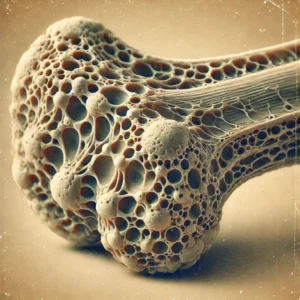
Osteoporosis – ‘the silent thief’
Lifestyle Changes for Stronger Bones
- Dietary Support – although you eat a good, balanced diet, if you have an osteoporosis diagnosis, you need to shift your thinking into eating an ‘osteoporosis orientated diet’. In other words incorporate certain food types to help maintain/protect the existing level of bone density. Below are a few examples –
- Calcium-Rich Foods: Incorporate calcium-rich foods like leafy greens, almonds, and fortified plant-based milks. Calcium is crucial for building and maintaining strong bones.
- Vitamin D: Essential for calcium absorption, Vitamin D can be obtained from sunlight, fatty fish, eggs, and fortified products.
- Magnesium and Vitamin K: These nutrients help the body utilize calcium effectively. Include foods like spinach, nuts, seeds, and avocados in your diet.
- Regular Exercise
- Weight-Bearing Exercises: Activities like walking, jogging, and dancing stimulate bone formation.
- Strength Training: Lifting weights or using resistance bands strengthens muscles and bones, reducing fracture risk.
- Balance and Flexibility Exercises: Practices like yoga and tai chi improve balance and prevent falls.
- Avoid Bone-Damaging Habits
- Limit Caffeine and Alcohol: Excessive consumption can interfere with calcium absorption and bone health.
- Quit Smoking: Smoking reduces blood supply to bones, slows bone-forming cell production, and decreases calcium absorption.
Note, If you have concerns about osteoporosis or are at risk, it’s essential to consult with a medical doctor. to discuss orthodox treatment options available.
The realities of osteoporosis
While a holistic approach involving lifestyle changes and natural remedies can significantly support and improve bone health, it’s important to understand that:
- Bone Loss is Irreversible: Once bone density is lost, it cannot be fully recovered. Osteoporosis involves a decrease in bone mass and density that is generally not reversible, especially if the condition has advanced significantly. This means that the primary goal in managing osteoporosis is to slow down or halt further bone loss and to strengthen and maintain the remaining bone mass. In other words, we need to focus on preservation and management. This involves adopting a healthy lifestyle (see above), including a balanced diet rich in calcium and vitamin D, regular weight-bearing exercise, and avoiding habits that can worsen bone health, such as smoking and excessive alcohol consumption.
- Reduce Fracture Risk: Effective management can help reduce the risk of fractures and improve overall quality of life. This is achieved by strengthening the bones as much as possible, improving bone resilience, and preventing falls through exercises that enhance balance and coordination.
- Natural Remedies and Lifestyle Changes: While these strategies can help optimize bone health and potentially slow bone loss, they are complementary to conventional treatments and not a cure for lost bone density.
Herbal Allies for Bone Health
- Horsetail (Equisetum arvense): Rich in silica, supports bone tissue formation and maintenance.
- Nettle (Urtica dioica): High in calcium, magnesium, and other minerals essential for bone health.
- Red Clover (Trifolium pratense): Contains phytoestrogens that may help mimic estrogen’s effects, potentially slowing bone loss.
- Black Cohosh (Actaea racemosa): Supports hormonal balance in post-menopausal women, protecting bone density.
- Dong Quai (Angelica sinensis): Used in Traditional Chinese Medicine to support hormonal balance and reduce osteoporosis risk.
If you’re interested in exploring how a holistic herbal approach can complement your osteoporosis management book an appointment with me.